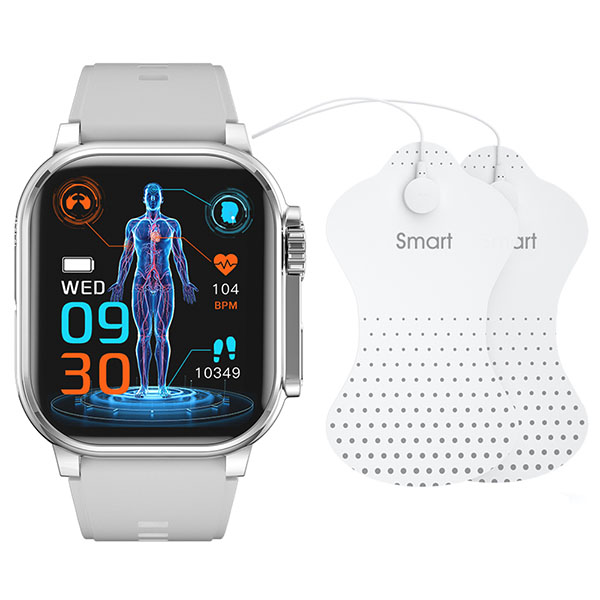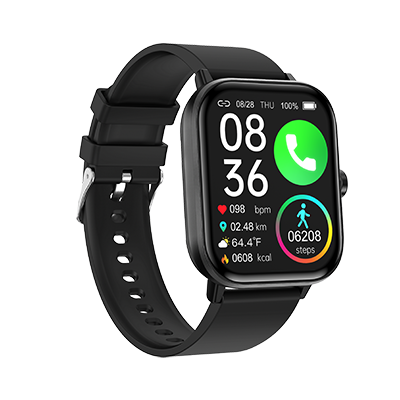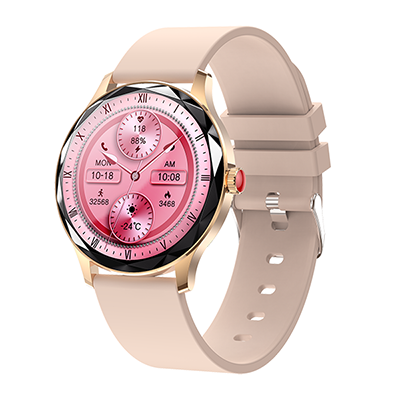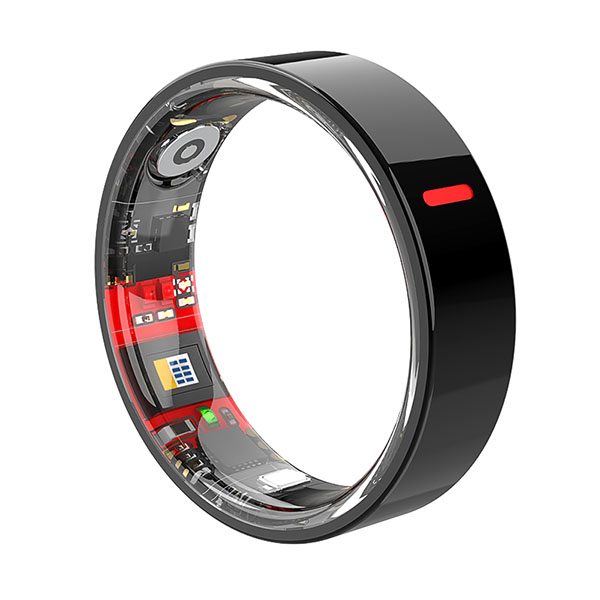
When launching a private label or custom smartwatch line, one of the most critical decisions you’ll face is understanding the Minimum Order Quantity (MOQ). For brands, startups, and entrepreneurs partnering with an OEM smartwatch supplier USA or global manufacturer, MOQ directly impacts budget, customization scope, and time-to-market. This guide breaks down everything you need to know about minimum order quantity smartwatch requirements, from basic definitions to cost-saving strategies—tailored for OEM and white label success.
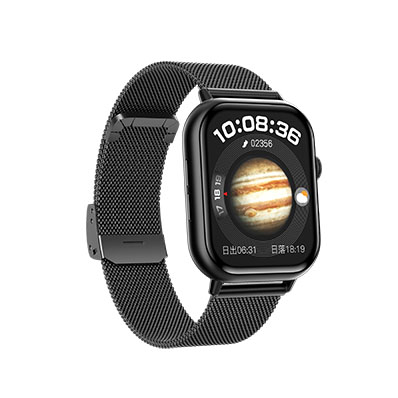
Minimum Order Quantity for Custom Smartwatches
1.What Is MOQ in Smartwatch Manufacturing?
In the context of custom smartwatch production, Minimum Order Quantity (MOQ) refers to the smallest number of units a manufacturer will produce for a single custom order. This requirement is standard across the wearable tech industry, including when working with an OEM smartwatch supplier USA or international white label partners. MOQ is not a random number—it’s determined by a manufacturer’s production capabilities, component sourcing constraints, and economies of scale.
For brands seeking to launch a private label smartwatch, understanding MOQ is non-negotiable. It sets the foundation for your production budget, inventory planning, and customization options. Whether you’re partnering with a local OEM smartwatch supplier USA or a global manufacturer (like those based in Shenzhen, a hub for smartwatch production), MOQ policies will vary—but the core logic remains the same: manufacturers need a minimum volume to justify the cost of production setup, material sourcing, and labor.
Unlike off-the-shelf smartwatches, custom orders require tailored adjustments (even minor ones like logo printing), and MOQ ensures these adjustments are financially viable for the manufacturer. For example, an OEM smartwatch supplier USA may have lower MOQs for local orders to accommodate smaller U.S.-based startups, while global manufacturers might have higher thresholds to offset international shipping and production costs.
2.Typical MOQ Range for Different Customization Levels
MOQ varies dramatically based on the level of customization you require. The more complex the changes to the smartwatch’s design, software, or hardware, the higher the MOQ. Below is a breakdown of typical ranges, tailored for brands working with a white label smartwatch manufacturer or OEM partner:
Logo-only customization (low MOQ)
This is the simplest form of customization, ideal for startups or brands testing the market. It involves adding your brand logo to the watch face, strap, or packaging—no changes to hardware or software. Most white label smartwatch manufacturer options offer low MOQs for this level, typically ranging from 50 to 200 units. Some manufacturers even offer MOQs as low as 30 units for bulk orders with basic logo engraving or printing, making it accessible for small businesses or promotional campaigns.
This option is cost-effective because it leverages the manufacturer’s existing smartwatch designs—no retooling or redesign is needed. For example, a white label smartwatch manufacturer might offer a standard fitness smartwatch model, and you simply add your logo to the dial or silicone strap via laser engraving or screen printing.
Firmware customization (medium MOQ)
Firmware customization involves adjusting the smartwatch’s software—such as adding custom watch faces, modifying health tracking features (e.g., heart rate, sleep monitoring algorithms), or integrating your brand’s app. This requires more technical work from the manufacturer, so MOQs increase to 200 to 500 units. A white label smartwatch manufacturer will need to allocate engineering resources to tweak the firmware, which is only cost-effective with a larger order volume.
This level is popular for brands looking to differentiate their product without major hardware changes. For instance, a fitness brand might customize the firmware to prioritize specific workout metrics or add a branded welcome screen, while keeping the core hardware (screen, battery, sensors) unchanged.
PCB redesign (high MOQ)
PCB (Printed Circuit Board) redesign is a significant hardware customization, involving changes to the smartwatch’s internal circuitry—such as adding new sensors (e.g., ECG, blood pressure), upgrading the processor, or modifying battery capacity. This requires extensive engineering work, retooling, and testing, so MOQs jump to 500 to 2,000 units. A white label smartwatch manufacturer will need to create new PCB prototypes, source specialized components, and adjust their assembly line to accommodate the changes.
This level is suited for established brands with a proven market demand, as it carries higher upfront costs and risks. For example, a healthcare brand might redesign the PCB to integrate medical-grade sensors, requiring a higher MOQ to offset the cost of sensor sourcing and PCB testing.
Full ODM development
Full ODM (Original Design Manufacturing) development is the most complex customization option, where the manufacturer designs and produces a completely unique smartwatch from scratch—tailored to your brand’s specific requirements (size, shape, features, materials). This involves end-to-end design, prototyping, testing, and production, so MOQs are the highest: 2,000 units or more (often 5,000+ for large-scale ODM projects).
Full ODM is ideal for brands looking to launch a flagship product with no competitors, as it offers complete control over the smartwatch’s design and functionality. A white label smartwatch manufacturer with ODM capabilities will assign a dedicated R&D team to your project, ensuring the final product aligns with your brand’s vision—but this level of customization requires a significant order volume to justify the investment.
3.Why MOQ Matters for Cost Control
MOQ is not just a production requirement—it’s a critical factor in controlling private label smartwatch cost. Understanding how MOQ impacts expenses helps brands avoid overspending and optimize their budget. Below are the key ways MOQ influences cost:
Component sourcing
Smartwatches rely on dozens of components—screens, batteries, sensors, chips, straps, and more. Manufacturers source these components in bulk to get lower per-unit prices. When you meet (or exceed) the MOQ, the manufacturer can pass these bulk savings on to you, reducing the overall private label smartwatch cost. For example, a battery supplier might charge $5 per unit for 100 batteries, but only $2 per unit for 1,000 batteries. If your order falls below the MOQ, the manufacturer may have to source components in smaller quantities, increasing the per-unit cost and raising your total expense.
Additionally, specialized components (e.g., medical-grade sensors, AMOLED screens) often have their own MOQs, so your smartwatch’s MOQ must align with these component requirements to avoid additional fees.
Mold cost
Any customization involving the smartwatch’s physical design (e.g., custom watch case, strap shape, logo embossing) requires molds. Mold production is expensive—costing hundreds or thousands of dollars—regardless of the number of units produced. MOQ ensures the manufacturer can spread this mold cost across enough units to make it financially viable. For example, a custom watch case mold might cost $1,000; if the MOQ is 1,000 units, the mold cost per unit is $1. If your order is only 100 units, the mold cost per unit jumps to $10, significantly increasing the private label smartwatch cost.
For low-MOQ orders (like logo-only customization), manufacturers often use existing molds, eliminating the need for new mold production and keeping costs low.
Assembly line setup
Setting up an assembly line for custom smartwatches involves calibrating equipment, training workers, and testing the production process—all of which take time and money. MOQ ensures the manufacturer can recoup these setup costs. A smaller order (below MOQ) would mean the setup cost is spread across fewer units, driving up the per-unit price. For example, assembly line setup might cost $2,000; with an MOQ of 2,000 units, the setup cost per unit is $1. For an order of 200 units, that cost jumps to $10 per unit, making the project unprofitable for the manufacturer and more expensive for you.
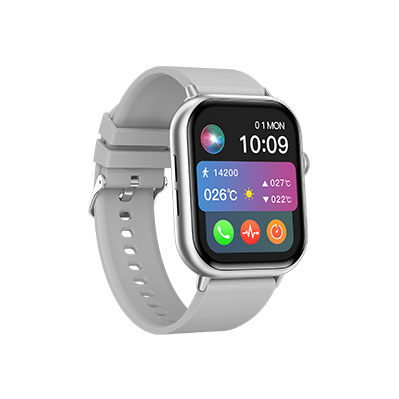
4.How to Reduce MOQ for Startups
Startups and small brands often struggle with high MOQs, as they may not have the budget or demand to order 500+ units. Fortunately, there are strategies to reduce MOQ, especially when focusing on bulk smartwatch with logo or low-level customization. Here are actionable tips:
1. Prioritize logo-only customization: Opt for bulk smartwatch with logo orders instead of complex hardware/software changes. As mentioned earlier, logo-only customization has the lowest MOQ (50–200 units), making it ideal for startups testing the market. Many manufacturers offer pre-designed smartwatch models that you can brand with your logo, eliminating the need for expensive customization and high MOQs.
2. Partner with flexible manufacturers: Look for OEM smartwatch supplier USA or white label smartwatch manufacturer options that offer flexible MOQ policies for startups. Some manufacturers specialize in small-batch production and are willing to lower MOQs (e.g., 30–50 units) for bulk smartwatch with logo orders, especially if you commit to future larger orders. For example, some Shenzhen-based manufacturers offer MOQs as low as 10 units for basic logo customization, while U.S.-based suppliers may offer 50-unit MOQs for local startups.
3. Share MOQ with other brands: Consider co-ordinating with complementary brands to split a larger order. For example, if two fitness brands both need bulk smartwatch with logo, they can split an MOQ of 500 units (250 each), reducing the number of units each brand needs to order. This works best for brands with similar customization needs (e.g., same base smartwatch model, logo-only branding).
4. Opt for semi-customization: Instead of full firmware or PCB customization, choose semi-custom options (e.g., pre-designed watch faces with your logo, standard sensors with minor software tweaks). This reduces the manufacturer’s workload, making them more willing to lower the MOQ. For example, a manufacturer might lower the MOQ from 500 to 200 units if you use their existing firmware but add a custom watch face with your logo.
5. Negotiate with suppliers: Don’t be afraid to negotiate MOQ with your manufacturer, especially if you can demonstrate long-term potential. For example, if you’re a startup planning to scale, offer to sign a contract for future orders in exchange for a lower initial MOQ. ManyOEM smartwatch supplier USA and global manufacturers are open to this, as they value long-term partnerships over one-time orders.
5.MOQ vs Unit Price Comparison Table
The relationship between MOQ and unit price is direct: higher MOQs lead to lower per-unit costs. Below is a realistic comparison table, based on industry standards for custom smartwatches (focused on bulk smartwatch with logo and mid-level customization) from a typical white label smartwatch manufacturer:
|
Customization Level |
MOQ Range (Units) |
Unit Price (USD) |
Total Order Cost (USD) |
Key Notes |
|
Logo-only (bulk smartwatch with logo) |
50–200 |
$25–$40 |
$1,250–$8,000 |
Uses existing molds; logo on dial/strap; lowest cost option |
|
Firmware Customization |
200–500 |
$18–$30 |
$3,600–$15,000 |
Custom watch faces/app integration; no hardware changes |
|
PCB Redesign |
500–2,000 |
$12–$22 |
$6,000–$44,000 |
New sensors/processor; requires custom PCB molds |
|
Full ODM Development |
2,000+ |
$8–$18 |
$16,000+ |
Completely custom design; highest upfront investment, lowest per-unit cost |
*Note: Prices vary based on manufacturer location (e.g., OEM smartwatch supplier USA may charge 15–20% more than global suppliers), component quality, and additional features (e.g., waterproofing, health sensors).
6.FAQ Section
Below are answers to the most common questions about minimum order quantity smartwatch requirements for OEM and white label production:
Q1: Can I get a custom smartwatch with an MOQ of less than 50 units?
A: It’s possible, but rare. Most white label smartwatch manufacturer and OEM smartwatch supplier USA options require a minimum of 50 units for logo-only customization. Some manufacturers may offer MOQs as low as 10–30 units for bulk smartwatch with logo orders, but this will come with a higher per-unit price (often 20–50% more) to offset production costs. For orders below 50 units, consider ready-made smartwatches with aftermarket logo printing instead of custom production.
Q2: Does MOQ vary by manufacturer location? For example, is MOQ lower with an OEM smartwatch supplier USA vs. a global supplier?
A: Yes. OEM smartwatch supplier USA often has lower MOQs (50–200 units for logo-only) to accommodate smaller U.S.-based brands and avoid high international shipping costs. Global suppliers (e.g., in Shenzhen) may have higher MOQs (100–500 units) but lower per-unit prices. However, some global manufacturers now offer flexible MOQs for startups, especially for bulk smartwatch with logo orders. The tradeoff is shipping time and import fees—U.S.-based suppliers offer faster delivery, while global suppliers offer lower costs.
Q3: How does MOQ affect production time?
A: Higher MOQs typically mean longer production times, but this varies by customization level. For bulk smartwatch with logo (MOQ 50–200), production takes 2–4 weeks. For firmware customization (MOQ 200–500), it takes 4–6 weeks. PCB redesign (MOQ 500–2,000) takes 6–10 weeks, and full ODM (MOQ 2,000+) takes 10–16 weeks. This includes prototyping, production, testing, and packaging. Working with a local OEM smartwatch supplier USA can reduce production time by 1–2 weeks due to shorter shipping and communication delays.
Q4: Can I reduce MOQ by using cheaper components?
A: Yes, but it’s not recommended. Using lower-quality components (e.g., cheaper screens, batteries) may allow a manufacturer to lower the MOQ, but it will hurt your brand’s reputation and increase return rates. Instead, focus on bulk smartwatch with logo customization (low MOQ, high-quality components) or negotiate with the manufacturer to use their existing component inventory to reduce costs without sacrificing quality. For example, a white label smartwatch manufacturer may have excess stock of standard straps, allowing you to lower the MOQ by using these existing components instead of custom ones.
Q5: Is MOQ negotiable for repeat orders?
A: Absolutely. Most manufacturers (including OEM smartwatch supplier USA and white label smartwatch manufacturer options) will lower the MOQ for repeat orders. If you’ve successfully fulfilled an initial order (e.g., 500 units), the manufacturer may reduce the MOQ to 200–300 units for your next order, as they’ve already recouped setup and mold costs. Building a long-term relationship with your supplier is key to negotiating better MOQ terms and lower private label smartwatch cost over time.
Q6: What happens if I can’t meet the MOQ?
A: If you can’t meet the manufacturer’s MOQ, you have three options: 1) Upgrade to a lower-customization level (e.g., switch from firmware customization to bulk smartwatch with logo to lower the MOQ); 2) Split the order with another brand (as mentioned earlier); 3) Pay a premium fee to the manufacturer to produce fewer units. The premium fee can range from 20–100% of the original per-unit price, so it’s often more cost-effective to adjust your customization or order volume instead. Some manufacturers may also offer a “sample order” (5–10 units) for testing, but this is not intended for resale and is more expensive per unit.
By understanding MOQ and its impact on your custom smartwatch project, you can make informed decisions that align with your budget, brand goals, and market demand. Whether you’re partnering with anOEM smartwatch supplier USA, a white label smartwatch manufacturer, or a global ODM partner, focusing on the right customization level and negotiating flexible MOQ terms will set you up for success.