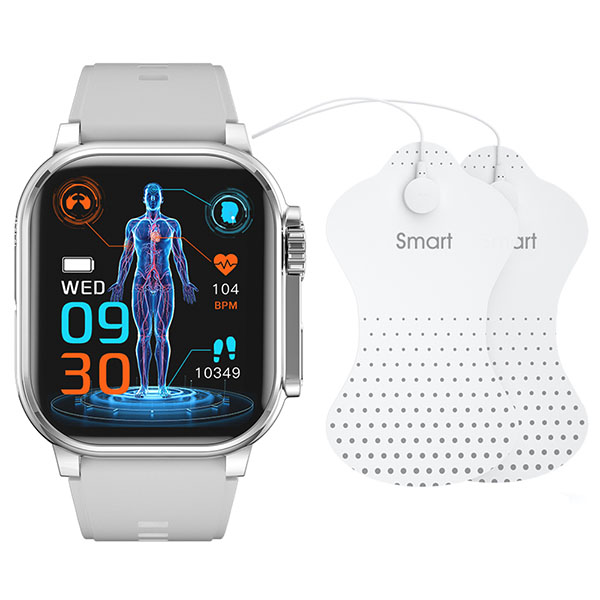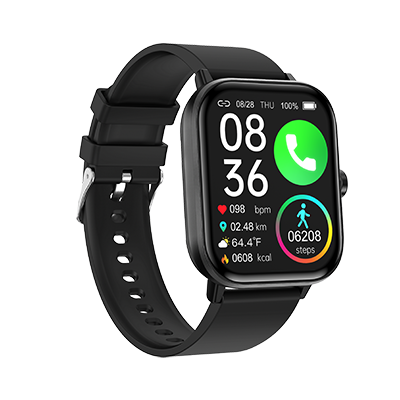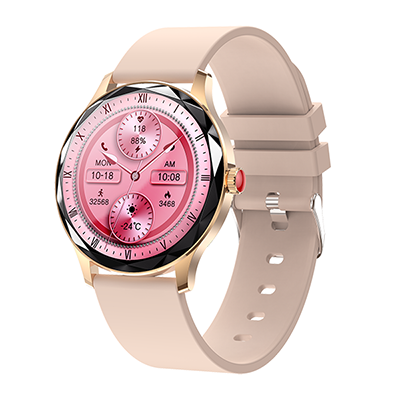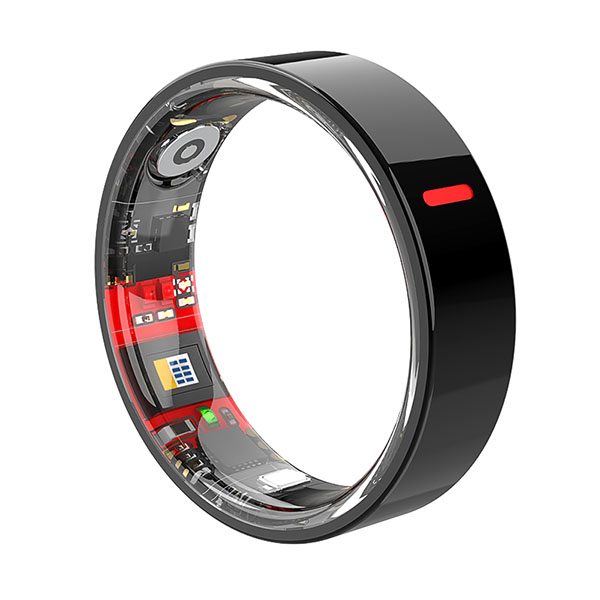
The smartwatch industry in the USA is booming, and launching a private label smartwatch brand has never been more accessible or profitable. With evolving consumer demand for personalized, functional wearables, entrepreneurs and startups are tapping into this growing market to build scalable, brand-driven businesses. This step-by-step OEM guide will walk you through everything you need to know to start a private label smartwatch brand in the USA in 2026, from market research to compliance and cost planning.
1.Why Private Label Smartwatch Is a Growing Opportunity in 2026
Before diving into the steps, it’s critical to understand why thesmartwatch market USA is a prime target for entrepreneurs—and whyprivate label smartwatch brands are outperforming generic competitors. The global wearable tech market is a massive $150 billion arena growing at 14.3% annually, and the USA remains one of the largest and most profitable markets for smartwatches specifically. Here’s why 2026 is the perfect year to launch your wearable startup opportunity:
First, the USA smartwear growth trend is undeniable. Consumers are increasingly prioritizing health tracking, connectivity, and convenience, driving demand for smartwatches that go beyond basic timekeeping. From fitness enthusiasts to seniors, there’s a growing audience seeking devices tailored to their unique needs. Market projections indicate the global smartwatch market will reach $58.21 billion by 2028 with a CAGR of over 14.9%, and the USA will account for a significant portion of this growth.
Second, the rise of e-commerce and DTC (Direct-to-Consumer) brands has lowered barriers to entry. Platforms like Amazon, Shopify, and Walmart Marketplace allow you to reach millions of potential customers without the need for physical retail stores. DTC brands also let you build direct relationships with your audience, gather feedback, and iterate on your private label smartwatch designs faster than traditional retail models.
Finally, medical and niche market opportunities are expanding rapidly. Smartwatches with medical-grade sensors, fall detection, and health monitoring features are in high demand, especially as the U.S. population ages and consumers become more health-conscious. Niche segments like senior care, kids’ safety, and fitness-specific devices offer higher profit margins and less competition, making them ideal for new private label smartwatch brands.
2.Step 1: Define Your Target Market
The key to a successful private label smartwatch brand is specificity. Trying to cater to every consumer will dilute your brand and make it hard to stand out in the crowded smartwatch market USA. Instead, focus on a niche segment where you can deliver unique value—and build a custom smartwatch brand that resonates with that audience. Below are the most profitable niche segments to consider in 2026:
Fitness Segment
Fitness enthusiasts are a loyal and growing audience. A custom smartwatch brand targeting this segment should include features like heart rate monitoring, sleep tracking, workout modes (for running, cycling, yoga, etc.), water resistance, and long battery life. Consider partnering with fitness influencers to promote your devices and highlight features that appeal to gym-goers, runners, and wellness-focused consumers.
Senior Monitoring
Seniors and their caregivers are seeking smartwatches that prioritize safety and simplicity. Features like fall detection, emergency SOS buttons, medication reminders, and easy-to-read displays are non-negotiable. This segment values reliability and ease of use, so your private label smartwatch should avoid overly complex interfaces and focus on essential safety features.
Medical Alert
For consumers with chronic health conditions, medical alert smartwatches are a lifeline. These devices should integrate medical-grade sensors for blood pressure, blood oxygen, and ECG monitoring, and connect directly to emergency services or caregivers. Note that medical alert smartwatches may require additional FDA compliance (covered in Step 5). This niche offers high margins and long-term customer loyalty.
Kids GPS Watch
Parents are increasingly turning to smartwatches to keep track of their children without giving them smartphones. A custom smartwatch brand for kids should include GPS tracking, safe zone alerts, two-way calling, and parental controls. Fun, durable designs and long battery life are also key selling points. In 2026, 68% of parents prefer dedicated wearables over smartphones for children under 12 to mitigate social media risks, making this a high-demand niche.
Muslim Smartwatch
A niche with untapped potential, Muslim smartwatches include features like prayer time reminders, Qibla direction, and Quran recitations. These devices should be sleek, culturally sensitive, and offer all the basic smartwatch functions (calls, messages, fitness tracking) alongside religious features. This segment allows you to cater to a specific community and build a loyal customer base with minimal competition.
3.Step 2: Choose a Reliable White Label Smartwatch Manufacturer
Your white label smartwatch manufacturer will make or break your brand. The right partner will ensure high-quality products, on-time delivery, and customization flexibility—while the wrong one can lead to delays, defective products, and lost revenue. When evaluatingOEM smartwatch supplier USA options, you’ll also need to decide between working with a smartwatch factory vs trading company. Here’s how to choose the best fit:
First, know how to judge a factory’s credibility. Look for manufacturers with a proven track record in the smartwatch industry—ask for case studies, customer references, and samples of their work. A reliable factory should be transparent about their production processes, quality control measures, and lead times. Avoid manufacturers with vague communication or unrealistic promises.
Check if the manufacturer has PCB (PCB R&D capabilities). PCB (Printed Circuit Board) is the core of any smartwatch, and in-house R&D means the manufacturer can customize the hardware to meet your specific needs (e.g., adding unique sensors or improving battery life). Manufacturers without in-house R&D will be limited to off-the-shelf designs, making it hard to differentiate your private label smartwatch.
Ensure the manufacturer supports SDK customization. SDK (Software Development Kit) allows you to customize the smartwatch’s software, including the UI (User Interface), app integration, and unique features (e.g., custom fitness algorithms or prayer time tools). Without SDK support, you’ll be stuck with generic software that doesn’t align with your custom smartwatch brand identity.
Evaluate production capacity. Make sure the manufacturer can handle your order volume—both now and as your brand grows. Ask about their minimum order quantity (MOQ), production lead times, and ability to scale. A factory with limited production capacity may cause delays during peak seasons, while a trading company (which acts as a middleman) may lack control over quality and lead times. When comparing smartwatch factory vs trading company, factories offer more control and customization, while trading companies may be easier to work with for small orders but often have higher costs and less flexibility.
4.Step 3: Customize Your Logo & Packaging
Customization is what makes a private label smartwatch stand out from generic competitors. Your logo and packaging are the first touchpoints with customers, so they need to reflect your brand’s identity and value proposition. Below are the key customization options for custom logo smartwatch and packaging, designed to help you build brand recognition and trust:
Laser logo: Laser engraving is a high-quality, durable option for adding your logo to the smartwatch case or strap. It’s sleek, professional, and resistant to fading or scratching—perfect for premium bulk smartwatch with logo orders. Laser logos work well on metal, plastic, and silicone materials, and can be customized in different sizes and fonts.
Silk printing: Silk printing is a cost-effective option for adding colorful logos or designs to the smartwatch face or strap. It’s ideal for brands with bold, vibrant logos and works well on plastic or silicone surfaces. While not as durable as laser engraving, silk printing is a great choice for budget-friendly private label smartwatch lines.
Boot logo: A boot logo is the image that appears when the smartwatch turns on. This is a subtle but effective way to reinforce your brand—every time a customer uses their device, they’ll see your logo. Work with your manufacturer to design a boot logo that aligns with your brand’s aesthetic and fits the smartwatch’s screen size.
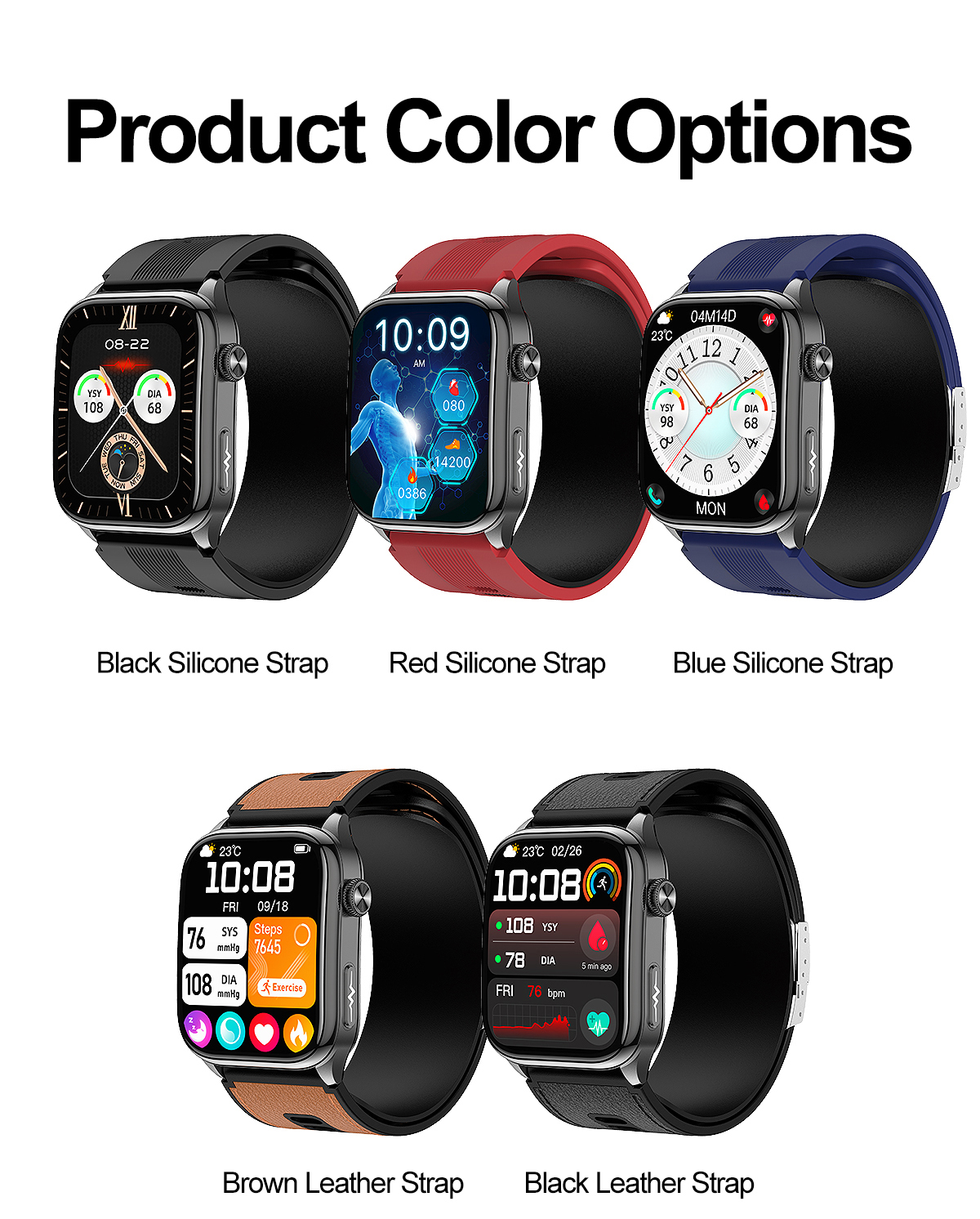
Custom UI theme: Your smartwatch’s UI (User Interface) should be consistent with your brand. Work with your manufacturer to customize the watch face, app icons, and color scheme to match your brand’s identity. For example, a fitness-focused custom smartwatch brand might use bold, energetic colors, while a luxury brand might opt for a minimalist, sleek design.
Packaging options: Your packaging should protect the smartwatch while also making a strong first impression. Options include rigid cardboard boxes, luxury paperboard, or eco-friendly kraft materials, with custom printing, embossing, or foil stamping to highlight your logo and brand message. Consider adding inserts for accessories (e.g., chargers, straps) and a user manual with your brand’s story. Premium packaging can elevate the perceived value of your private label smartwatch and encourage word-of-mouth referrals.
5.Step 4: Understand MOQ & Production Timeline
Before placing your order, it’s critical to understand the minimum order quantity smartwatch requirements and production timeline—this will help you plan your budget, inventory, and launch date. Here’s what you need to know about smartwatch bulk order logistics in 2026:
Typical MOQ range: MOQs for private label smartwatch manufacturers vary, but most require a minimum order of 500–1,000 units for bulk orders. Some manufacturers offer lower MOQs (200–500 units) for new brands, but this may come with higher per-unit costs. As your brand grows, you can negotiate lower per-unit prices by increasing your order volume. It’s important to balance MOQ with your budget and market demand—start small if you’re testing a niche, then scale up as sales grow.
Sample cycle: Before placing a bulk order, you’ll need to order samples to test the quality, design, and functionality of your private label smartwatch. Sample lead times typically range from 7–14 days, depending on the manufacturer and the level of customization (e.g., custom logo, UI theme). Plan to order 2–5 samples to test different features and make adjustments before finalizing your order.
Mass production cycle: Once you approve the samples, the mass production process begins. Production lead times for smartwatch bulk order typically range from 30–45 days, but this can vary based on the manufacturer’s capacity, customization requirements, and supply chain delays. Be sure to factor in additional time for shipping, customs clearance (if manufacturing overseas), and quality control inspections. Plan your launch date accordingly to avoid stockouts or delays.
6.Step 5: Compliance for USA Market
Selling private label smartwatch in the USA requires compliance with federal regulations—failure to comply can result in fines, product seizures, or legal action. The two most critical compliance requirements are FCC certification smartwatch and FDA smartwatch registration. Here’s what you need to know:
FCC certification: The Federal Communications Commission (FCC) regulates all electronic devices that emit radiofrequency (RF) energy—including smartwatches with Bluetooth, Wi-Fi, or GPS capabilities. Most private label smartwatch devices fall under FCC Part 15, which covers unlicensed RF transmissions. To obtain FCC certification, your device must be tested by an accredited lab to ensure it meets RF emission limits, spurious emissions standards, and (for body-worn devices) SAR (Specific Absorption Rate) requirements. Once certified, you’ll need to display the FCC ID on your product and packaging. FCC certification is mandatory for selling smartwatches in the USA, and non-compliance can lead to significant penalties.
FDA smartwatch registration: The Food and Drug Administration (FDA) regulates smartwatches that are classified as medical devices—specifically, devices that monitor or treat medical conditions (e.g., ECG, blood pressure, fall detection for medical use). If your private label smartwatch includes medical-grade features, you’ll need to register it with the FDA and comply with their safety and effectiveness standards. The FDA encourages early engagement with their digital health team to ensure compliance, and they maintain a list of authorized sensor-based digital health devices for reference. Smartwatches that are purely for fitness or general wellness (not medical use) do not require FDA registration.
7.Estimated Cost to Start a Private Label Smartwatch Brand
The private label smartwatch cost varies based on factors like MOQ, customization, manufacturer, and compliance. Below is a breakdown of the estimated costs to start your brand in the USA in 2026, to help you plan your budget:
Manufacturing costs: The per-unit cost of a private label smartwatch ranges from $15–$50, depending on the features (e.g., basic fitness vs. medical-grade sensors), materials (e.g., plastic vs. metal), and customization. For a MOQ of 500 units, manufacturing costs typically range from $7,500–$25,000. OEM smartwatch price USA may be higher if you work with a U.S.-based manufacturer, but this can reduce shipping and customs costs.
Customization costs: Logo engraving/printing, boot logo design, and custom UI theme typically add $500–$2,000 to your total cost, depending on the complexity. Packaging customization (e.g., custom boxes, inserts, printing) can cost an additional $1–$3 per unit, or $500–$3,000 for 500 units.
Compliance costs: FCC certification typically costs $1,000–$3,000, depending on the device’s complexity and the testing lab. FDA registration (if required) costs $5,000–$10,000, plus ongoing fees for maintenance and compliance.
Other costs: Shipping and customs fees (if manufacturing overseas) range from $1,000–$5,000. Marketing costs (e.g., social media ads, influencer partnerships) vary but plan for $2,000–$10,000 to launch your brand. Additional costs include sample fees ($100–$500), barcode purchase ($5–$65), product photography ($175–$500), and inventory storage.
Total estimated cost: For a basicprivate label smartwatch brand with a MOQ of 500 units, no medical features, and standard customization, the total startup cost ranges from $15,000–$40,000. For a premium brand with medical features, high-end customization, and U.S.-based manufacturing, costs can exceed $50,000.
8.FAQ
Below are answers to the most common questions about starting a private label smartwatch brand in the USA, to help you avoid common pitfalls and make informed decisions:
Q: Do I need prior experience in the tech industry to start a private label smartwatch brand?
A: No, prior tech experience is not required. However, it’s helpful to research the smartwatch market USA, understand your target audience, and work with a reliable white label smartwatch manufacturer who can guide you through the technical aspects (e.g., customization, compliance). Many successful private label smartwatch brands are started by entrepreneurs with no tech background—they focus on branding and marketing, while the manufacturer handles production and technical details.
Q: Is it better to work with a U.S.-based manufacturer or an overseas manufacturer?
A: It depends on your budget and priorities. Overseas manufacturers (e.g., China) offer lower OEM smartwatch price USA and higher customization flexibility, but longer lead times and higher shipping/customs costs. U.S.-based manufacturers offer faster lead times, easier communication, and lower shipping costs, but higher per-unit prices. For new brands, overseas manufacturers are often more cost-effective, but be sure to vet them thoroughly to ensure quality and compliance.
Q: What is the difference between white label and private label smartwatches?
A: White label smartwatches are pre-designed, pre-manufactured devices that you can rebrand with your logo and packaging—they offer minimal customization (e.g., logo, color). Private label smartwatch devices are fully customized to your specifications, including hardware (e.g., sensors, battery), software (e.g., UI, features), and packaging. Private label allows for more brand differentiation, while white label is faster and more cost-effective for beginners.
Q: How long does it take to launch a private label smartwatch brand in the USA?
A: From research to launch, the process typically takes 3–6 months. This includes defining your target market (2–4 weeks), finding a manufacturer and ordering samples (4–6 weeks), customizing your logo and packaging (2–4 weeks), mass production (4–6 weeks), compliance certification (2–4 weeks), and marketing your launch (2–4 weeks). Plan accordingly to avoid delays.
Q: Can I sell my private label smartwatch on Amazon and other e-commerce platforms?
A: Yes! Amazon, Shopify, Walmart Marketplace, and Etsy are all great platforms to sell your private label smartwatch. However, you’ll need to ensure your product meets each platform’s requirements (e.g., FCC certification, accurate product descriptions). Amazon also requires compliance with their Device Compliance Program for electronic devices, so be sure to check their guidelines before listing.
Q: How do I market my custom smartwatch brand to stand out in the USA market?
A: Focus on your niche audience and highlight your unique value proposition. Use social media (Instagram, TikTok, Facebook) to showcase your smartwatch’s features, partner with niche influencers (e.g., fitness trainers, senior care experts, parenting bloggers), and gather customer reviews to build trust. Content marketing (e.g., blog posts about smartwatch benefits, user guides) can also help improve your SEO and attract organic traffic. Finally, invest in paid ads targeting your niche to drive sales quickly.
Launching a private label smartwatch brand in the USA is a rewarding opportunity for entrepreneurs willing to put in the research and planning. By following this step-by-step guide, you’ll be able to navigate the smartwatch market USA, partner with the right manufacturer, and build a custom smartwatch brand that resonates with your target audience. With the right strategy, 2026 could be the year your private label smartwatch brand becomes a household name.